2026-11-12
Are You Using Your Home Skincare Products the Right Way? A Complete Guide to Reedle Shots and Cleansing Devices by Skin Type!
Learn how to use at-home skincare devices like Reedle Shot and silicone cleansing devices by skin type, including who should avoid them and how often to use them safely.

Are You Using Your Home Skincare Products the Right Way? A Complete Guide to Reedle Shots and Cleansing Devices by Skin Type!

Hello, this is DM Dermatology 😊
These days, more and more people are taking careful care of their skin at home.
In particular, home care products like Reedle Shots and silicone cleansing devices have become hugely popular.
But can these products really be as effective as professional dermatology treatments?
Today, we'll look at how to use home care products wisely and in a way that suits your skin.
🔍 What exactly are the hot home care items everyone is talking about: Reedle Shots and cleansing devices?
Reedle Shot: A product that uses ultra-fine needles to create tiny, shallow micro-punctures in the skin, helping active ingredients absorb more effectively.
Silicone cleansing device: A device that cleanses your face far more precisely than your hands can. It can help remove impurities from inside pores, smooth away dead skin buildup, and support blood circulation.
It features vibration modes and a silicone brush head, offering both cleansing and massage functions. It's considered an essential home care item.
✅ Reedle Shot: Who It Works Well For
Large pores / skin with reduced elasticity
Thick dead skin that makeup doesn't adhere to well
Skin with reduced elasticity and wrinkle concerns
The micro-needles stimulate the skin to boost collagen production, refine skin texture, and activate the skin's natural regenerative capacity.
⚠️ Reedle Shot: Who Should Avoid It
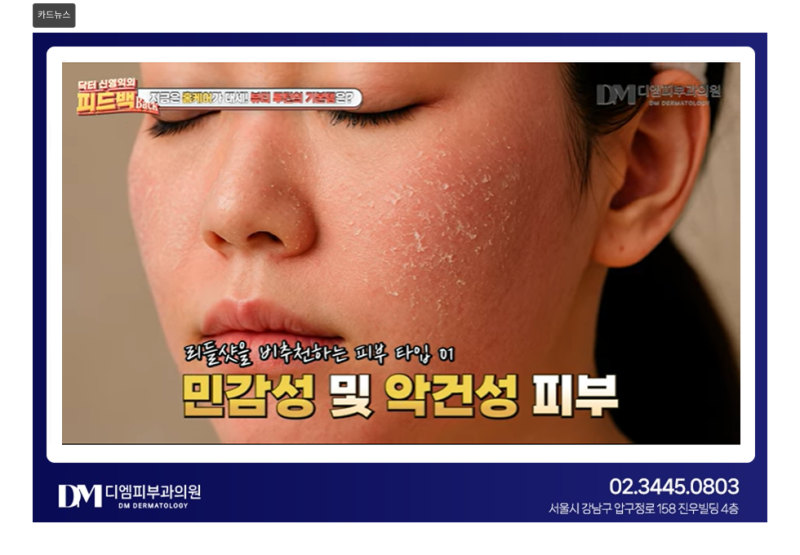
Sensitive, dry, or inflamed acne-prone skin
Rosacea / skin that breaks out frequently
Skin that has recently undergone laser treatments, peels, or other procedures
If your skin barrier is weak, Reedle Shots can actually irritate your skin.
After a procedure, it's safest to wait at least 1 to 2 weeks to allow your skin to fully recover before using one.
🧼 Is a Cleansing Device Right for You?
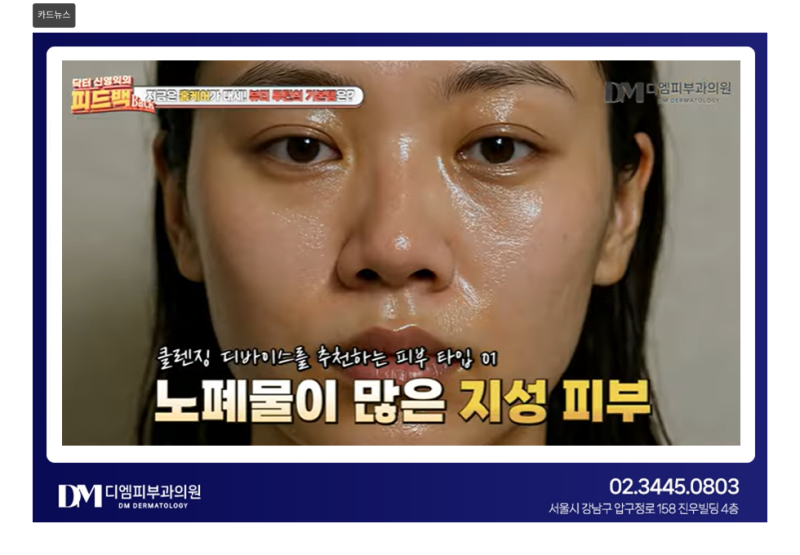
💙 Skin types that are a good fit
Oily / combination skin
Skin prone to blackheads, whiteheads, and excess sebum
Skin with lots of dead skin cells, where makeup tends to look patchy
Because ultrasonic vibrations are effective at managing sebum and removing dead skin, they're worth considering if you want clear, smooth-looking skin after cleansing.
🚫 Skin types to be careful with
Sensitive skin / acne-prone skin / breakout-prone skin
Overly frequent vibration can damage the skin barrier and may trigger inflammation.
We recommend using it 2 to 3 times a week, for short sessions.
🧴 How to Use Reedle Shot Safely
Use it at 1 to 2 day intervals, starting with a lower-intensity product.
If your skin stings or turns red, stop using it immediately.
Do not use it together with retinol, retinoids, or exfoliants.
After a procedure, help your skin recover with a rich, calming moisturizer and a hydrating mask.
If you're trying it for the first time, start with a gentler, lower-intensity Reedle Shot!
💡 How to Get the Most Out of Your Cleansing Device

For sensitive skin, use the low-speed mode and keep sessions short.
Always clean the device after use and store it dry.
Using it too often can damage your skin barrier!
👉 Using it 2 to 3 times a week is ideal.
Smart home care, tailored to you!
These days, home care products alone can deliver results on par with dermatology treatments.
But if they're used incorrectly, they can cause breakouts and damage your skin barrier. Please keep that in mind.
The key to home care is knowing your skin type accurately and managing everything carefully, from choosing products to how often you use them.
📍DM Dermatology is recommended for:
Anyone who feels their home care routine has reached its limits
Anyone with sensitive skin who feels uneasy about using skincare products
Anyone who wants an accurate skin assessment followed by a customized treatment
At DM Dermatology, we'll explain the real differences between home care and professional treatments, and guide you toward the approach that's right for your skin.
If you have more questions about using home care products, check out the video below!

Find the right solutions for your skin concerns at DM Dermatology, located on the 4th floor of Twosome Place, 100m from Exit 5 of Apgujeong Station!
Frequently Asked Questions
Which skin types are Reedle Shots suitable for?
According to this guide, Reedle Shots are suitable for skin with large pores, reduced elasticity, thick dead skin that makeup doesn't adhere to well, or wrinkle concerns. On the other hand, people with sensitive or dry skin, inflammatory acne, or rosacea are advised to avoid them, since they can irritate skin with a weakened barrier.
When can I use Reedle Shot after laser treatment or a peel?
It's recommended to wait at least 1 to 2 weeks after treatment to let your skin fully recover before using Reedle Shot. In the meantime, a rich, calming moisturizer and a hydrating mask can help support skin recovery.
How should I start using Reedle Shot?
It's best to start with a gentle, lower-intensity product and use it every 1 to 2 days. If your skin stings or turns red, stop using it right away. It's also advised not to use it alongside retinol, retinoids, or exfoliants.
Which skin types are cleansing devices good for?
Cleansing devices are recommended for oily or combination skin, skin prone to blackheads, whiteheads, and excess sebum, and skin with lots of dead skin cells where makeup tends to look patchy. If you want clearer, smoother-looking skin after cleansing, they're worth considering.
How often should I use a cleansing device?
Two to three times a week, for short sessions, is considered ideal. Overly frequent vibration can damage the skin barrier or cause inflammation, so caution is needed. Sensitive skin should use the low-speed mode and keep sessions short.
Can home care products replace dermatology treatments?
The article notes that home care products alone can deliver results on par with dermatology treatments. However, if you feel home care has reached its limits, getting a skin assessment at a dermatology clinic is a good option. It also stresses that improper use can cause breakouts or damage the skin barrier, so caution is needed.