2026-11-04
Can Pregnancy Stretch Marks Be Prevented Before They Appear? A Complete Guide to Treatment After They Form
A guide to pregnancy stretch marks: prevention with moisturizing and gradual weight gain, treatment timing in the early red stage, and post-delivery laser options.

Hello, this is DM Dermatology Clinic! 👶✨
The thing expectant mothers ask about most when it comes to skin changes during pregnancy is stretch mark care and when to start treatment.
Today, we'll take a detailed look at stretch marks, a concern many mothers-to-be share, and explain when treatment is possible!
-> Read our post on treating melasma, acne, and other skin concerns during pregnancy here..!
The most common skin concern during pregnancy: stretch marks
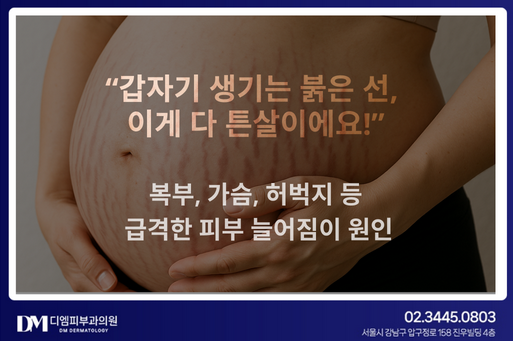
As weight rises quickly during pregnancy and the belly gradually grows, the skin stretches rapidly.
This damages the dermis, making stretch marks (also known as striae) more likely to form.
They commonly appear on areas that need elasticity, such as the abdomen, breasts, thighs, and buttocks.
Many people ask, "Does everyone get stretch marks?"
In fact, genetics play a big role, and how prone you are varies widely depending on skin elasticity and body type.
What is true for everyone, however, is that once stretch marks form, they are difficult to completely fade on their own.
When is the most effective time to treat stretch marks?
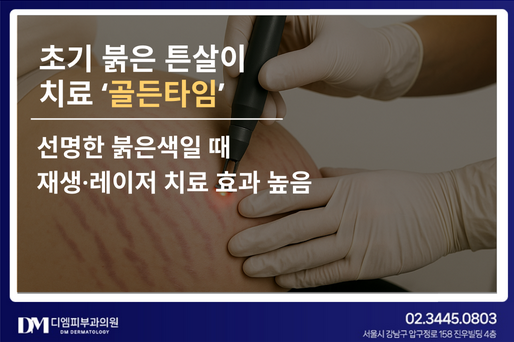
The most important thing is to start treatment during the early red stage of stretch marks!
When stretch marks first appear, they look red or purplish, and over time they gradually turn white or silver.
Starting treatment during this "red stage" is key to maximizing the effects of laser and regenerative treatments.
Being pregnant doesn't mean you have to postpone treatment altogether.
Under a dermatologist's supervision, some treatments can be performed within limits that do not affect the baby.
For example, lasers that stimulate skin regeneration, Mulgwang (hydrating glow) injections, and soothing care may be possible depending on timing and conditions.
How should treatment be timed during pregnancy versus after childbirth?
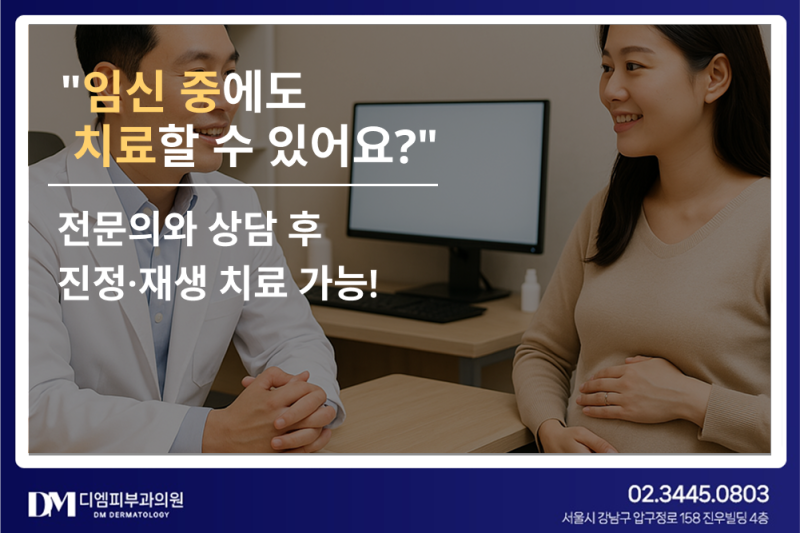
During pregnancy, when stretch marks look red
→ After consulting a specialist, soothing or regeneration-focused care is an option
After childbirth, once skin has stabilized
→ Full-scale laser procedures and pigment improvement treatments can begin
If stretch marks remain dark after childbirth or look noticeably different in color from the surrounding skin, fractional laser or pigment correction treatments can help restore your skin tone.
Prevention matters too! Lifestyle habits to reduce stretch marks
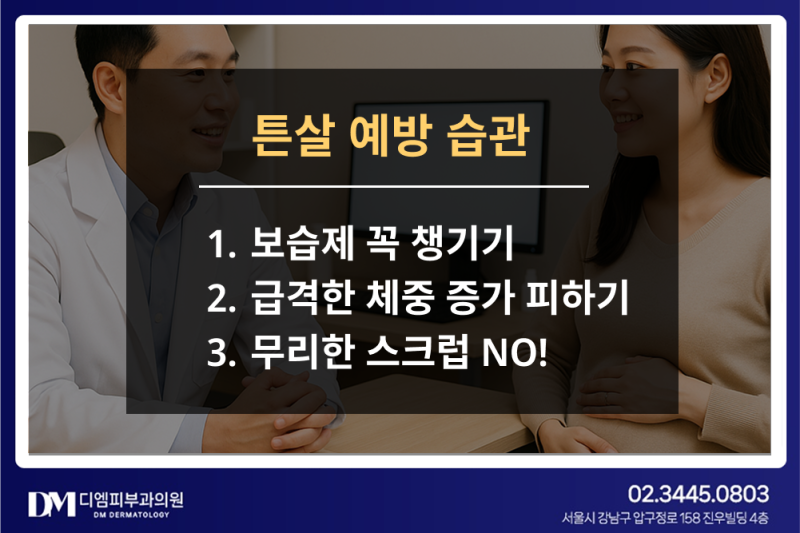
Don't forget your moisturizer!
Apply enough moisturizer to your abdomen, thighs, and breasts two to three times a day or more
Avoid rapid weight gain
Gaining weight gradually is effective for reducing strain on the skin
No harsh scrubbing!
Reduce skin irritation and keep your routine focused on soothing care
Stretch marks are a trace of childbirth and also a beautiful sign of having carried a child.
However, with early prevention and treatment at the right time, you can restore skin that looks much more natural and healthy.
If you have questions about skin changes during pregnancy or are unsure when to treat stretch marks, visit DM Dermatology and consult with a specialist.
We always put the health of both mother and baby first 💗
📞 Consultations & Appointments: 02-3445-0803
📍 KakaoTalk Channel @디엠피부과의원

Struggling with stretch marks during pregnancy?
100m from Apgujeong Station Exit 5, 4th floor of Twosome Place
Come to DM Dermatology for help!
Frequently Asked Questions
Can I get stretch mark treatment during pregnancy?
Yes, some treatments are possible under a specialist's supervision. Being pregnant does not mean you must postpone treatment entirely, and procedures can be performed within limits that do not affect the fetus. Lasers that promote skin regeneration, Mulgwang (hydrating glow) injections, and soothing care may be possible depending on timing and conditions.
When is the most effective time to get stretch mark treatment?
Starting treatment in the early red stage is considered the most effective. Stretch marks first appear red or purplish and gradually turn white or silver over time. Beginning treatment during the red stage can maximize the effects of laser or regenerative treatments.
When should I start treating stretch marks after childbirth?
Full-scale laser procedures and pigment improvement treatments are generally started once the skin has stabilized after childbirth. If stretch marks remain dark or look noticeably different in color from the surrounding skin, fractional laser or pigment correction treatments can help restore your skin tone.
Can stretch marks be prevented before they appear?
Lifestyle habits can help reduce stretch marks, such as applying moisturizer to the abdomen, thighs, and breasts two to three times a day or more and gaining weight gradually. Avoiding harsh scrubbing and keeping a soothing-focused routine are also recommended. That said, results vary from person to person depending on genetics and skin elasticity.
Does everyone get stretch marks?
How likely you are to get stretch marks varies widely depending on genetics, skin elasticity, and body type. During pregnancy, rapid weight gain and skin stretching can damage the dermis and make stretch marks more likely to form. Once they appear, they are difficult to completely fade on their own.