2026-09-30
Types of Dermatological Procedures and Rankings of Most-Received Treatments by Age Group
A comprehensive guide to popular aesthetic dermatological procedures categorized by age groups, covering lasers, Ultherapy, Botox, fillers, and thread lifts.
Types of Dermatological Procedures and Rankings of Most-Received Treatments by Age Group
Hello, this is DM Dermatology Clinic. Ten to twenty years ago, people in their 80s rarely considered dermatological treatments. However, with increasing life expectancy and changing perceptions about self-care, seeking a better quality of life through dermatology even at an advanced age has become widespread. This trend is expected to accelerate even further in the next 5 to 10 years as those currently in their 70s enter their 80s.
Furthermore, as long as people in their 80s remain healthy well into their 90s, interest and participation in aesthetic and dermatological procedures will continue to grow. Because everyone who lives a healthy life pursues beauty, patient age demographics are steadily climbing, and we anticipate that the era of nonagenarians visiting our clinic will arrive in the next decade.
Today, let's explore the most sought-after dermatological procedures over the past year, along with age-specific characteristics and requirements.
Popular Types of Dermatological Procedures
1. Laser Treatments
Laser treatments are universally essential regardless of age. Due to the characteristics of Asian skin, where complexion tends to dull with age, laser procedures to enhance skin tone are vital. In recent clinical visits, many patients come in with duller skin after neglecting laser care, a common pattern observed not only in Korea but also among patients from China, Japan, and Southeast Asia.
2. Lifting (Ultherapy)
Among lifting procedures, Ultherapy remains extremely popular. Ultherapy is remarkably effective for both lifting and elasticity tightening, offering superior cost-effectiveness compared to Thermage.
3. Fillers
Filler treatments improve deep wrinkles and restore volume to areas that hollow out as we age.
4. Collagen Stimulators
Collagen stimulators are also widely used to smooth out fine lines and superficial wrinkles.
Preferred Procedures and Characteristics by Age Group
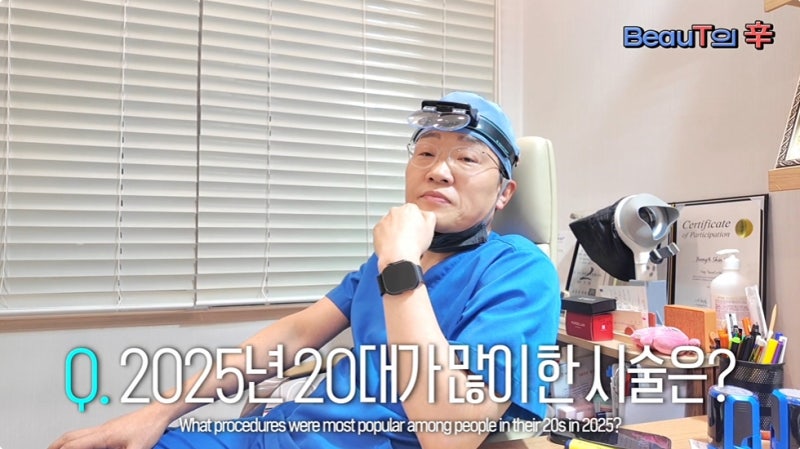
In their 20s, patients commonly receive Botox, fat-dissolving injections, and HIFU treatments, often seeking to reduce facial cheek fat. InMode is performed less frequently nowadays, primarily due to bruising. While it gained popularity during the COVID-19 pandemic when masks concealed bruises, the emergence of newer devices has gradually decreased its preference.
For people in their 20s, treatments that address innate constitutional features may be more suitable than aggressive lifting. A double chin or fuller cheeks often stem from genetics rather than sagging skin. If diet and exercise do not produce desired results, fat-dissolving injections or HIFU lifting devices can be considered. There is no need to jump straight into intensive lifting; early care is helpful, but overdoing it can be a waste of both time and money.
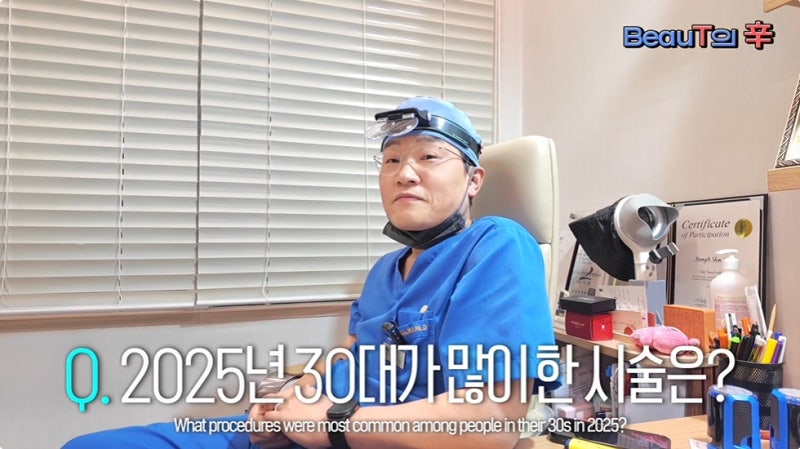
In their 30s, Botox, fat-dissolving injections, HIFU, and TuneFace procedures enjoy high demand. Lifting energy devices typically become necessary in the mid-to-late 30s. Additionally, international patients often request mole removal—particularly Japanese patients, who genetically tend to have more moles and develop new ones as they age.
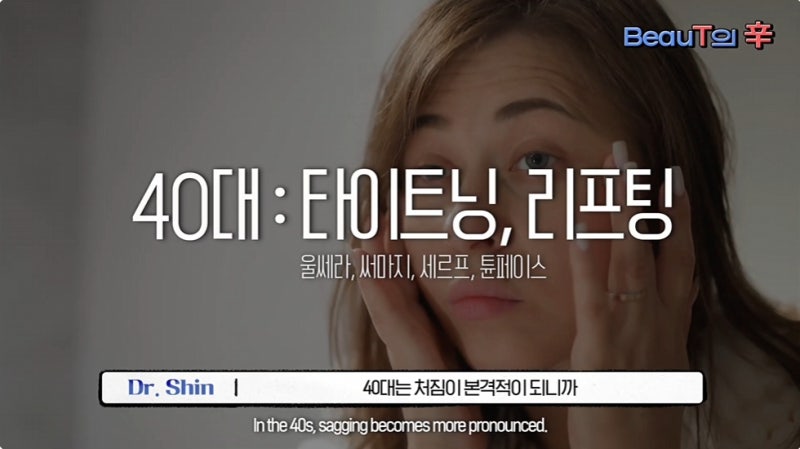
Starting in the 40s, skin laxity and sagging become prominent, making a combination of tightening and lifting devices such as Ultherapy, Thermage, SERF, and TuneFace necessary. Pigmentation darkens, prompting patients to seek lasers, and wrinkles deepen, leading to frequent Botox appointments.
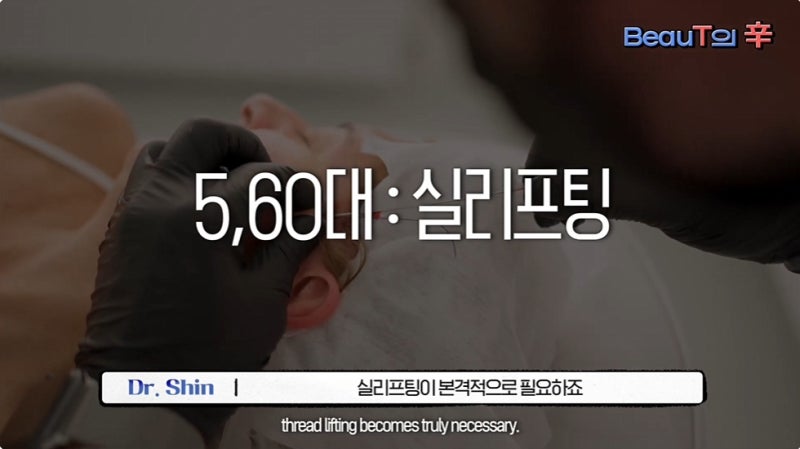
Those in their 50s and 60s receive treatments similar to those in their 40s, but once reaching the 50s, thread lifting becomes genuinely necessary to address severe sagging that cannot be resolved through other modalities.
The Pursuit of Beauty
Our oldest client is 85 years old, proving that consistent care allows one to maintain excellent skin condition even at this stage of life. Living healthily inspires people to look and feel beautiful, avoiding looking worn down. Hence, the age bracket of clinic visitors will keep rising.
As we welcome the new year of 2026, we extend our heartfelt gratitude to everyone who has visited our clinic, as well as to those planning to visit. Just as our slogan says, 'My own beauty beautifully transforms the world,' we hope everyone blossoms into even greater beauty in the coming year.

















Frequently Asked Questions
What dermatological procedures are recommended for those in their 20s?
Botox, fat-dissolving injections, and HIFU treatments are recommended. In their 20s, procedures mainly target innate constitutional cheek fat or double chins rather than age-related sagging. Gentle contouring suited to your facial profile is much more appropriate than aggressive lifting.
At what age should one start lifting procedures?
Energy-based lifting devices are generally recommended starting from the mid-to-late 30s. From the 40s onward, facial sagging becomes noticeable, making procedures like Ultherapy, Thermage, and TuneFace advisable. Starting extensive lifting early in your 20s is rarely necessary.
What are the benefits of Ultherapy lifting?
Ultherapy offers outstanding results in lifting and skin elasticity tightening. It is widely praised for its solid cost-performance compared to Thermage, making it one of the most favored lifting treatments across all age demographics.
Why is thread lifting necessary in one's 50s and beyond?
Because deeper sagging develops that cannot be adequately corrected by standard lasers or energy devices alone. In the 50s and 60s, thread lifting becomes essential alongside non-invasive treatments to physically support and restore sagging facial contours.
Why has preference for InMode decreased recently?
The primary drawback is post-treatment bruising. While highly popular during the pandemic when face masks concealed marks, the introduction of newer alternative devices without bruising downtime has lowered its demand in everyday clinical practice.